250-255-3646
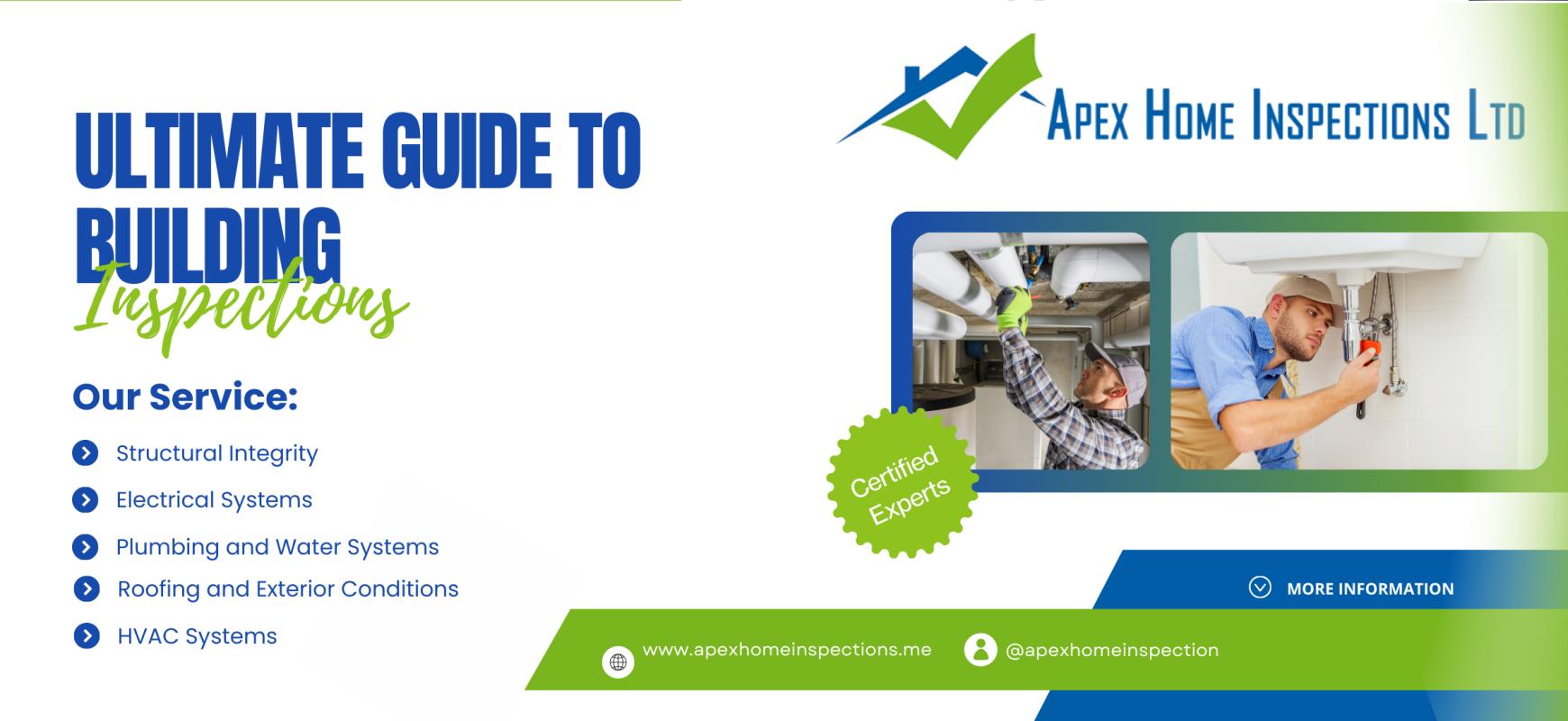
Be it that you are buying a house or selling one, it is essential to ensure that the building is in optimal condition and building inspections are the optimal solution to verify this. Through a building inspection, the property’s structure, systems, and other aspects, that are crucial in determining the overall safety, can be examined, further saving you from any unforeseen expenditures that arise out of repairs. However, one must understand that what building inspections include, the key differences between residential and commercial inspections, and what are the qualifications required to get a building inspector certification, in order to be able to hire for an optimal inspection service in Canada, like that from Apex Home Inspections.
Apart from just visually looking for visible damages, a building inspection calls for an overall examination of the structure and systems of a given property, and this can only be done by a licensed inspector. This is inclusive of checking the foundation, roofing, electrical, plumbing, HVAC, and other critical components to be able to verify that the property is safe, functional and free from major defects. By hiring for a building inspection, whether for the sale of a residential property or a commercial building, any such defects that aren’t visible can be discovered. In case these defects are discovered later on, they might effect the value and safety of the property, even if they weren’t visible earlier.
Both residential and commercial buildings need to get building inspections, as is also provided by many home inspectors in British Columbia. However, not many do know that there are some critical points of difference between both. Here we have simplified those for you: Residential Building Inspections: the types of properties evaluated are single-family homes, townhouses, or multi-family homes. The focus of a residential building inspector generally lies on inspecting the key areas like structural integrity of the home, plumbing and electrical systems, HVAC, roofing, and more. The ultimate aim is to verify that the house doesn’t have any major risks and can be safely occupied by people.
Commercial Building Inspections: On the contrary, the focus of a commercial building inspector would be to evaluate properties that have been designed and constructed for business use, that would include office buildings, warehouses, or retail spaces. Ideally such inspections are more complex, as they often include the assessment of large-scale systems like fire alarms, elevators, or security systems. Apart from that, such properties may also have unique and complex needs based on local building codes and business regulations.
Having a duly qualified and experienced building inspector is very crucial for the inspection to turn out smoothly. A certified inspector would have the required knowledge and training to be able to conduct a correct and thorough evaluation and also provide a detailed report. Hiring someone with a building inspector certification would guarantee that the person is indeed a professional and would be updated about the latest building codes and regulations. Ultimately you will have the peace of mind that the inspection would be accurate and be inclusive of all important aspects.
There are several crucial elements of a comprehensive building inspection, whether it is for a residential building or commercial. Yet, these are the certain areas that lie important to both:
Examination of the foundation, walls, and roofing for any cracks, settlement, or other structural issues. In residential buildings, any signs of water damage, mold, or foundation problems are indicative of the building’s safety being compromised.
Electrical systems should be according to the current safety codes. Building inspectors examine the wiring, outlets, circuit breakers, as exposed wiring could pose a fire hazard.
Plumbing issues like leaks, inadequate water pressure, and faulty fixtures must be checked for. Inspectors also examine if there is any potential issue with the water heater and the sewage system.
The comprehensive HVAC systems must function effectively and efficiently, this is of primary importance in properties that have large and complex systems, mostly the commercial buildings.
Inspectors also assess the roofs for wear, leaks and structural damage. Roofing problems can cause water damage and even collapse if left unchecked and hence, this makes it an integral component of a building inspection.
One may go for just any building inspector, but having someone who is adequately qualified and experienced is very important so that you are assured that the accurate and complete procedure has been followed. When looking for an expert home inspector like use at Apex Home Inspections, here is what you need to look for:
Firstly, verify that the inspector has a proper and correct building inspector certification and that they hold a good amount of experience in conducting inspections for the kind of property you want to get an inspection done for. They would have the essential knowledge of local building codes and regulations, guaranteeing that any such factors are not missed that other would.
Make sure to check for reviews and ratings, meet the people who have hired for their services or go by the word of mouth and ask for references. A good history would ensure that you get a reliable inspection.
Lastly, ask for a sample report, check the degree of detailing, clarity, and ease of understanding. These are the signs of a good report, along with having photos and descriptions of the issues.
Hiring for a building inspection in Canada is ideal in all cases, be it buying a home, selling a property, or investing in a commercial building. But you must have a good understanding of the process, and how to choose a certified building inspector, so that any such issues can be checked, that may compromise the safety, functionality, and peace of mind. By getting a thorough building inspection, you would be able to make better and informed decisions and have a lower chance of incurring unexpected costs.
Keep in mind to positively verify the certification and experience, when selecting a building inspector. A right professional will ensure that the process is smooth, give you a comprehensive evaluation, assuring you safety and confidence of investment.
 Kamloops